
What does management experience inside the industry, experience regulating the industry, a master’s degree in Communication, a Law degree, and a certification in International Data Law give you?
CANDACE LOVE WINDEL

Knowledge & experience matter.
Candace Love Windel brings a unique set of interdisciplinary skills to arbitration that gives her insight from competing vantage points.
Ms. Windel serves as an arbitrator in construction, commercial, real estate, and governmental and public-agency disputes, with particular experience relevant to complex projects, infrastructure, contracting, finance, and water and wastewater matters.
As an arbitrator, Ms. Windel brings more than 25 years of legal experience together with practical experience on both the public-sector and private-sector sides of construction and infrastructure projects. Her background includes senior management at the Texas Water Development Board, where she oversaw financing, underwriting, project approval, engineering review, and construction oversight. She additionally has experience as managing owner of a water and wastewater construction company.
This background enables her to understand disputes from the perspectives of the various participants in a project—including owners, contractors, governmental entities, developers, engineers, and other professionals—while maintaining the independence required of an arbitrator.
Ms. Windel currently serves as a neutral in the Texas Comptroller’s property-tax arbitration system, conducting evidentiary hearings and issuing final decisions in disputes involving substantial property valuations and alleged legal violations of local arbitration board protocol. This work has strengthened her experience in evaluating evidence, assessing competing factual and legal positions, managing hearings, and reaching independent, reasoned decisions.
Her approach to arbitration is thorough, focused, and practical. She prepares carefully, identifies the issues that actually control the dispute, listens closely to the evidence and arguments presented, and applies the governing law to the facts before her.
Ms. Windel is available for sole-arbitrator and panel appointments, subject to the requirements of the particular matter and applicable conflicts and disclosures.
Areas of particular experience include:
Construction disputes
Commercial disputes
Real estate disputes
Public-agency and governmental matters
Infrastructure and public works
Water and wastewater projects
Contract, procurement, and project disputes
Financial and project-finance issues
Proceedings may be conducted in person, remotely, or in a hybrid format..
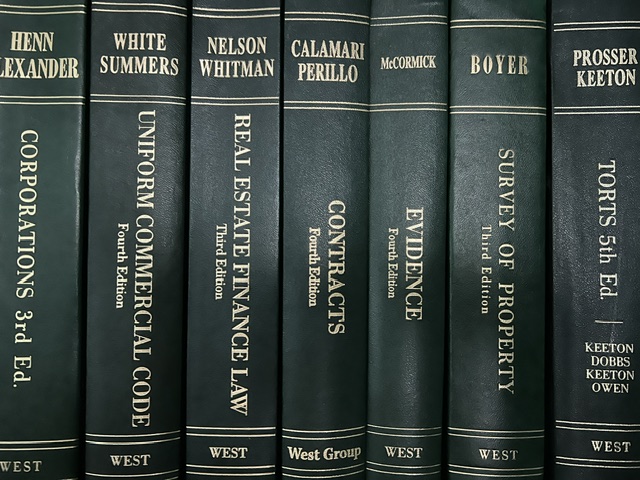
Issues don’t fit into one box
Court is expensive, both in money and in time. In almost every legal dispute there is a more cost-effective and timely way to resolve the issue, whether it’s arbitration or another form.
FAQs
What is your philosophy as an arbitrator?
Arbitration often brings together parties from different industries, vantage points, goals, legal traditions, and sometimes even different cultural or national backgrounds. One size does not fit all. The best starting place is a clear set of ground rules and a reasonable timetable specifically geared to the issues and people at the table. Ms. Windel’s goal is an impartial, timely, and well-considered resolution with a final award tailor-made for the situation that is clear enough to be understood by all parties and duly enforceable.
What timetable can parties expect?
How long an arbitration takes depends on a multitude of factors. The industry or industries, the nature of the dispute, the number and locations of the parties, what contractual or legal dictates govern, and how many arbitrators are involved all come into play. Regardless of the situation, Ms. Windel’s overarching goal always is efficient time management. She knows firsthand that time is money, but an unnatural rush to judgment can sometimes cost more than any gain.
Is arbitration binding or can we appeal if we don’t like the outcome?
The vast majority of arbitrations are binding and not subject to appeal unless there are highly unusual circumstances that surround the arbitration. Because arbitration by nature is a creature of contract, whether the arbitration is binding depends on the specific contract wording or circumstances, although the default is that arbitration is binding. Exceptions to this rule are rare although they do exist, but typically the distinction is set out clearly in the underlying contract.
If we are contractually bound to mediation rather than arbitration, can you help us?
Probably yes. Although her primary focus is arbitration, Ms. Windel offers a limited docket of mediations each year. You can request her availability for either.